Project Details
A quarter of Indian coast is affected by erosion and rising sea level. This global cooling system phenomenon leads to the salinification of ground water. By consequence, farming lands are unworkable and drinkable water is becoming rare.
This global cooling project is about avenue and road side plantations. The goal is increasing the biodiversity in Pondicherry and contributes to water conservation. Raising forests will bring back some of the vitality our planet lost.
Make a donation
To support us, you can make a donation in our online crowd funding. Each donation is a way to help us to regenerate the environment and it will benefit for everybody. "Contact us" site. By calling +91 814 864 2434.
+91 814 864 2434
annapradokshana@gmail.com
Pondicherry, India
Why we do it?
Because of the roots, trees prevent soil erosion and protect water. More, they provide oxygen, contribute to climate control. Avenue and road side plantation are contributed to the Green Belt plan of Puducherry government.
How it works?
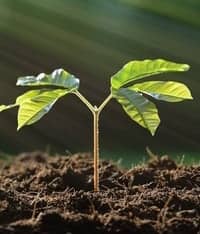
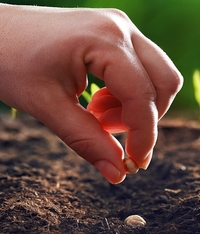
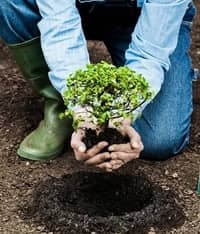
After carefully choosing the location in Pondicherry or its surroundings, volunteers plant the trees from Department of Forest & Wild Life of Puducherry. We protect the small crops with fences and thorns to let them grow up peacefully!
Project Results
To support this project, you can sponsor a tree! The cost of protection of a crop is 200rps. You will receive the location of your tree and a certificate.
Project Mission
To stop sea erosion and salinification through avenue and road side plantations.
Project Vision
Restored coastal vitality and contribution to the Green Belt plan of Puducherry government.
-
Increase Water
Using Rain -
Healty Natural Food
For Human -
Education About
Environmental Science